
For May We Help volunteers, solving a problem is only part of the reward. The real impact comes from seeing what that solution makes possible.
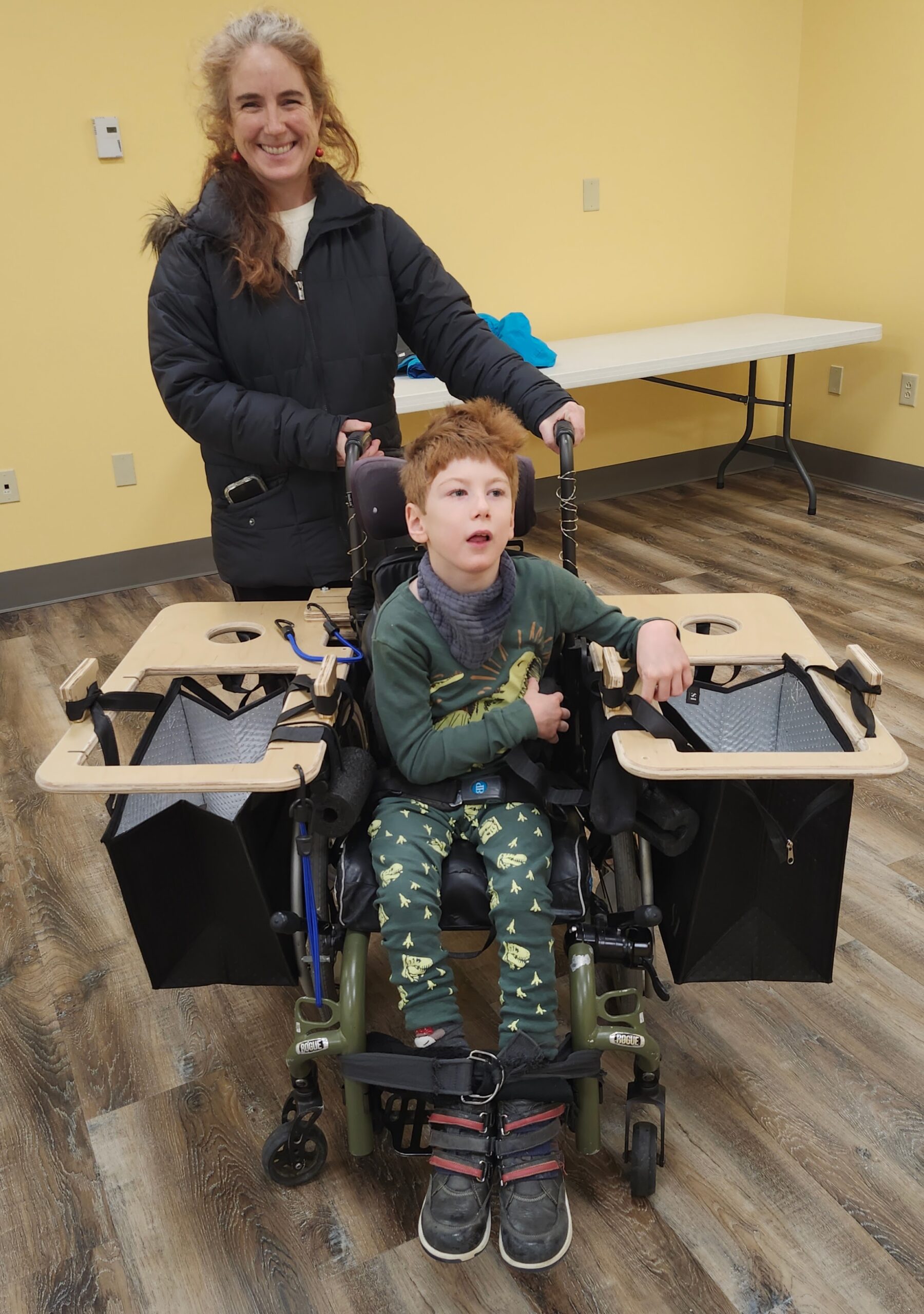
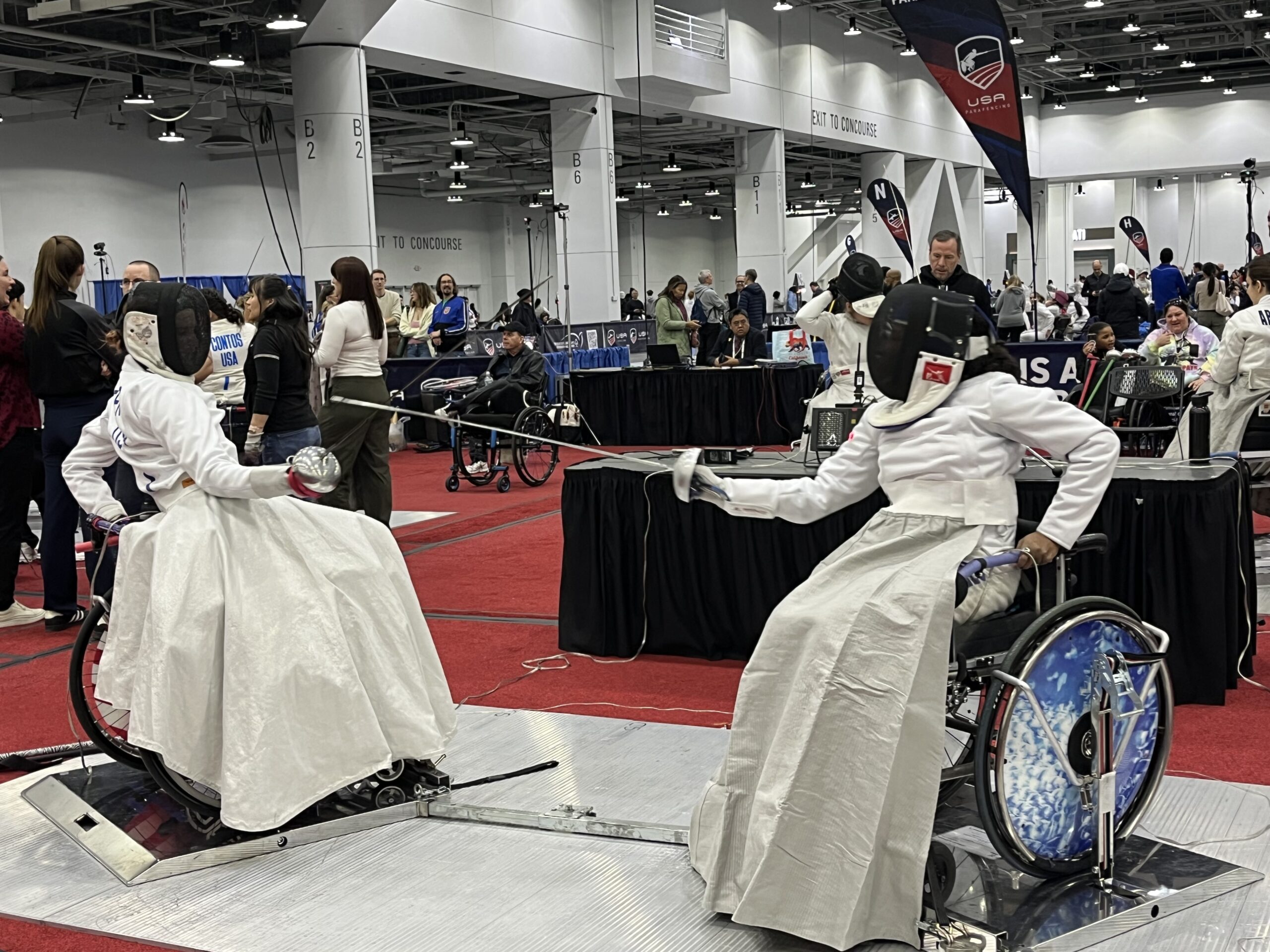
Over the past five years, May We Help board member and long-time volunteer Paul Henkel has completed roughly 100 projects for people with disabilities using creativity, organization and a willingness to figure things out to create solutions that are often unavailable commercially. His projects have ranged from modifying sports equipment to building adaptive devices that help people participate more fully in everyday activities. One of those projects started with the simple request to help a woman in a wheelchair feed her dogs.
It may not have been the most complicated problem Henkel had encountered. But the solution made a meaningful difference.
A Better Way to Feed the Dogs
The dog feeder project began with a discovery visit with a young woman who is paraplegic and had recently moved into a home designed around her needs. She has a service dog and two pet dogs, each with its own food bowl. There was just one problem. Because she uses a wheelchair, she couldn’t easily fill the bowls. She had been feeding the dogs in the garage, pouring their food directly onto the floor.
During the discovery visit, the woman shared her own ideas and drawings with Henkel. That collaboration was important. Together, they developed an idea that would allow her to fill the dogs’ bowls independently while keeping their meals separate.
Turning an Idea into a Solution
Henkel designed the feeder around a kitchen cabinet that he purchased at a reasonable price. He also repurposed hardware and furnishings from home demolition and remodeling projects. He installed two metal funnels into the top of the cabinet, one for each dog. Inside, PVC pipes connected the funnels to the dogs’ bowls below. Pins helped hold the bowls in place.
The result was a compact feeding station that allowed the woman to pour food into the top of the cabinet and have it travel through the individual funnels and pipes directly into the appropriate bowls.
But getting there wasn’t quite as simple as it looked. The food initially became clogged in the system. Henkel spent about a month thinking about the problem, testing the feeder and working through potential solutions before finding a way to make it work properly. That kind of problem solving is one of the things he enjoys most about volunteering with May We Help.
More Than a Dog Feeder
When the project was delivered, Henkel saw the solution in action. The dogs loved it. More importantly, the woman could once again feed them the way she wanted. It gave her greater control over something that was important in her daily life.
“It wasn’t the most complex problem to solve,” Henkel said. “But she was so happy with the solution to be able to feed her dogs the way she wanted to, to have control over something in her life.”
For Henkel, that is what May We Help is really about. Some projects address an essential need. Others help someone participate in an activity they love or accomplish something that most people take for granted.
“It’s not just meeting a critical need,” Henkel said. “Some of it is just allowing people to live their life fully.”
The Reward of Giving Back
May We Help volunteers design and build custom solutions for people with disabilities at no cost, using their skills, creativity and compassion to help recipients achieve greater independence and pursue their full potential.
For Henkel, volunteering has become a source of fulfillment in more ways than one. He enjoys the challenge of figuring out how to make something work. He enjoys building things. And he enjoys seeing how a seemingly small adaptation can open up a new possibility for someone else.
“I love the organization, the mission, these special requests,” he said. “Being part of that mission has become very important to me.”
And sometimes, the most meaningful solutions are the ones that simply help someone do something they love. In this case, that meant giving a woman a better way to care for the dogs she loves. For Henkel, that was more than enough reason to keep building.